Sub-Services & Treatments
-
 01
01
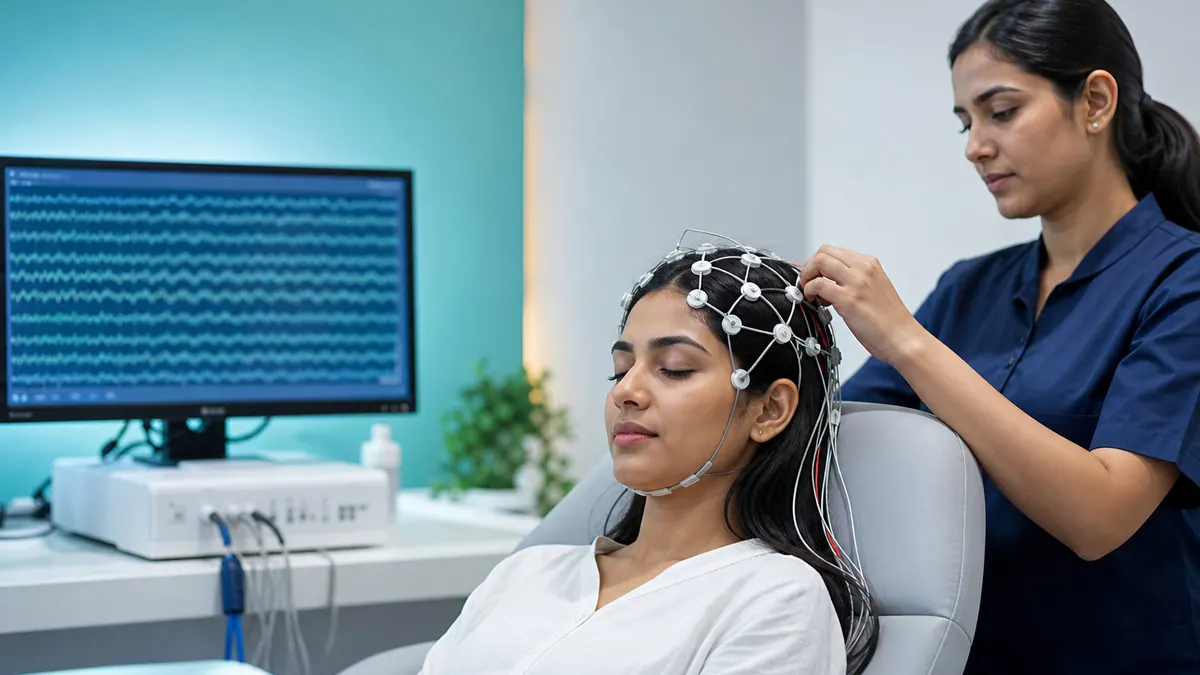
Parkinson's Disease Management
Parkinson's disease management requires a long-term partnership addressing motor symptoms, non-motor features, and progressive functional decline. Dr. Nishanth Ponaganti initiates and adjusts dopaminergic therapy — levodopa, dopamine agonists, and MAO-B inhibitors — timed to your daily symptom pattern. Motor fluctuations, dyskinesias, and freezing episodes are managed through medication timing optimisation. Non-motor symptoms including sleep disturbance, mood changes, and cognitive decline are monitored at every visit. Physiotherapy and occupational therapy referrals support mobility, and caregivers receive guidance on home safety at ZOI Hospital.
-
 02
02
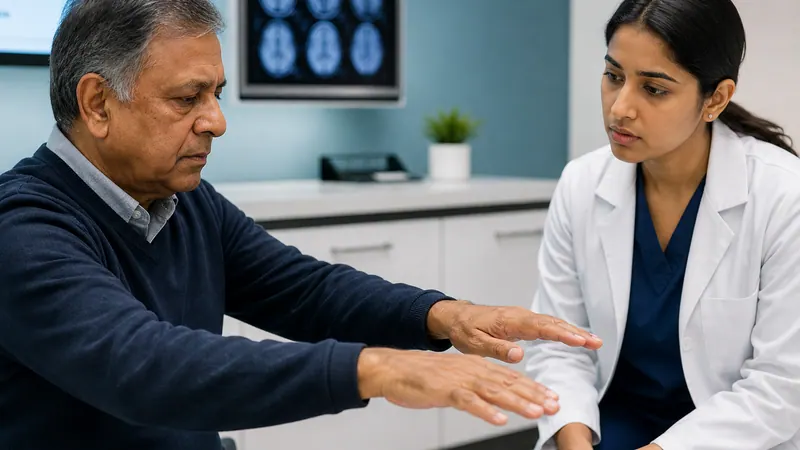
Tremor Evaluation & Treatment
Tremor evaluation distinguishes essential tremor, Parkinsonian rest tremor, dystonic tremor, and other causes — each requiring different treatment. Dr. Nishanth Ponaganti assesses tremor type, body distribution, activation conditions, and associated neurological signs through careful examination. Essential tremor often responds to propranolol or primidone, while Parkinsonian tremor improves with dopaminergic medication. Deep brain stimulation referral is discussed for severe, medication-resistant cases. Accurate tremor classification prevents years of ineffective treatment and directs you to the therapy most likely to restore hand steadiness and daily function.
-
 03
03
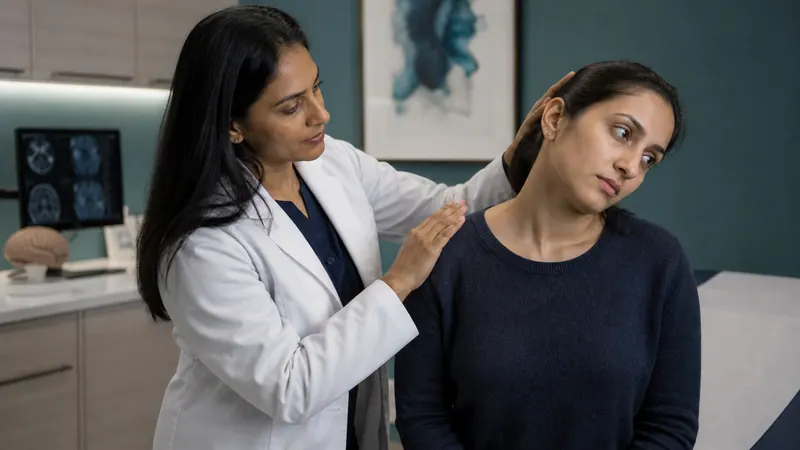
Dystonia Management
Dystonia causes involuntary muscle contractions producing abnormal postures and repetitive movements that can be painful and disabling. Dr. Nishanth Ponaganti evaluates dystonia type — focal, segmental, or generalised — to determine the best treatment. Focal dystonias such as cervical dystonia often respond well to botulinum toxin injections. Oral medications including anticholinergics help generalised forms. Physiotherapy and sensory tricks are incorporated into management. Regular follow-up at ZOI Hospital ensures sustained benefit and timely treatment adjustment.
-
 04
04
Movement Disorder Evaluation
Movement disorder evaluation systematically assesses slowness (bradykinesia), stiffness (rigidity), gait abnormalities, balance problems, and involuntary movements. Dr. Nishanth Ponaganti uses standardised rating scales alongside detailed clinical examination to characterise the disorder and track progression over time. Differential diagnosis between Parkinson's disease, atypical parkinsonism, essential tremor, and drug-induced movement disorders requires specialist expertise. Investigation with brain MRI and blood tests excludes secondary causes. A clear diagnosis enables early treatment initiation, which is proven to improve long-term outcomes for most movement disorders.